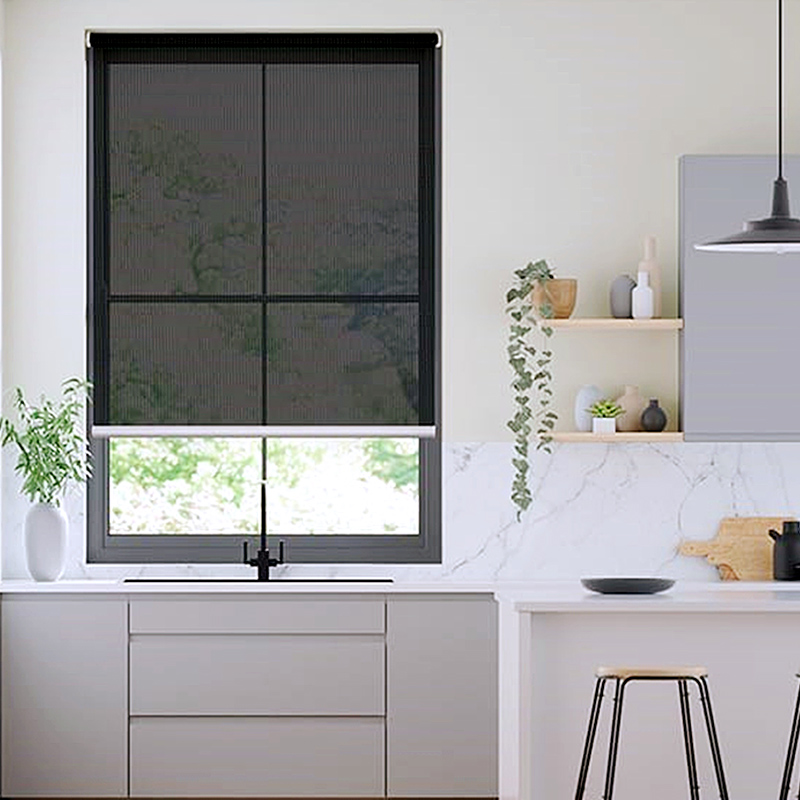


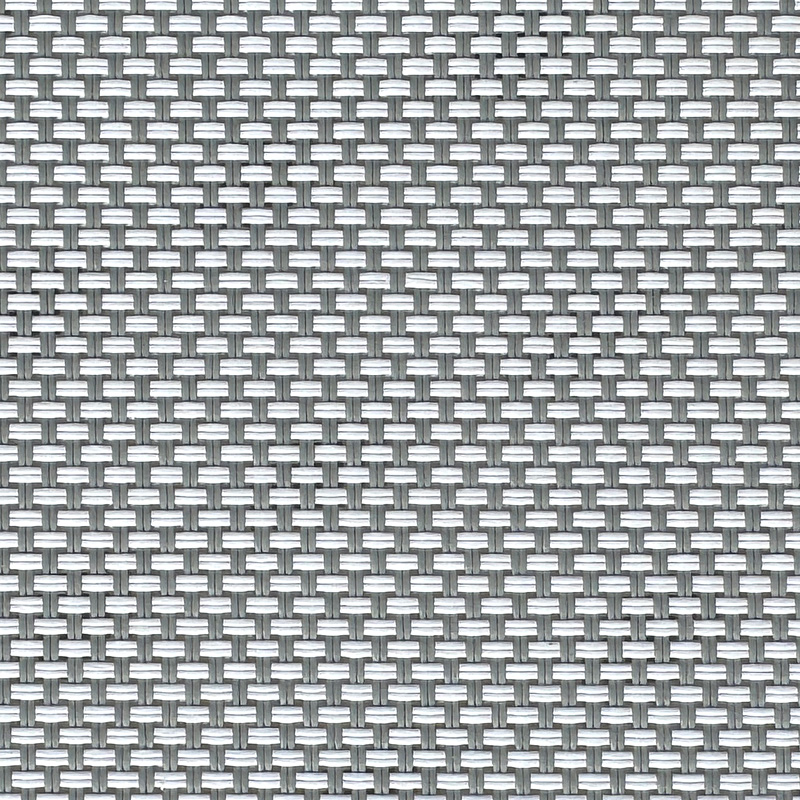
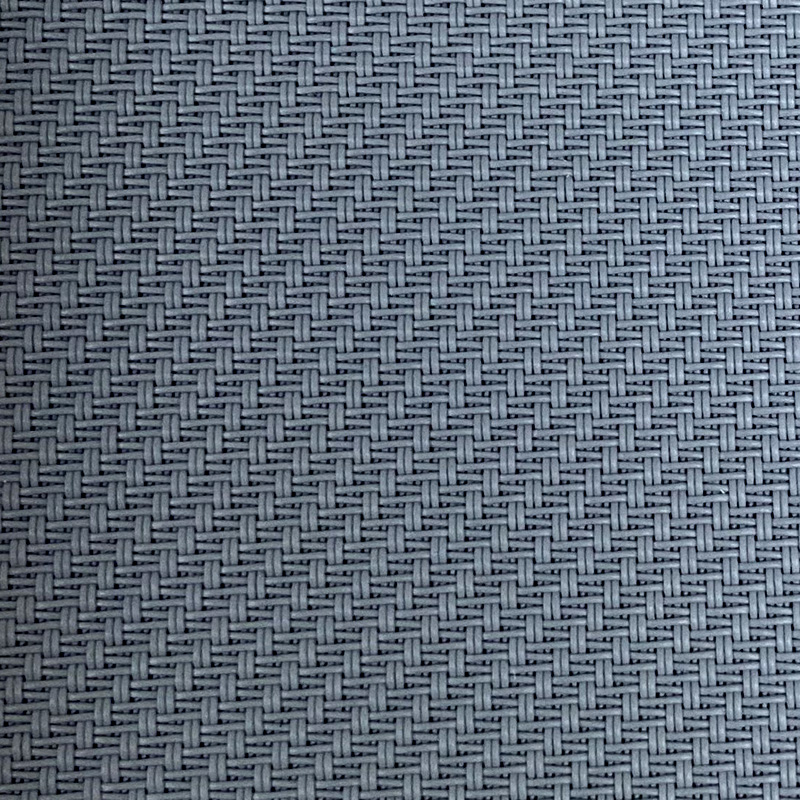
When full light blockage is required, both 0% openness woven sunscreen fabric and traditional blackout fabric can achieve 100% shading. However, 0% openness woven sunscreen fabric offers several clear advantages in terms of performance, appearance, and long-term value.
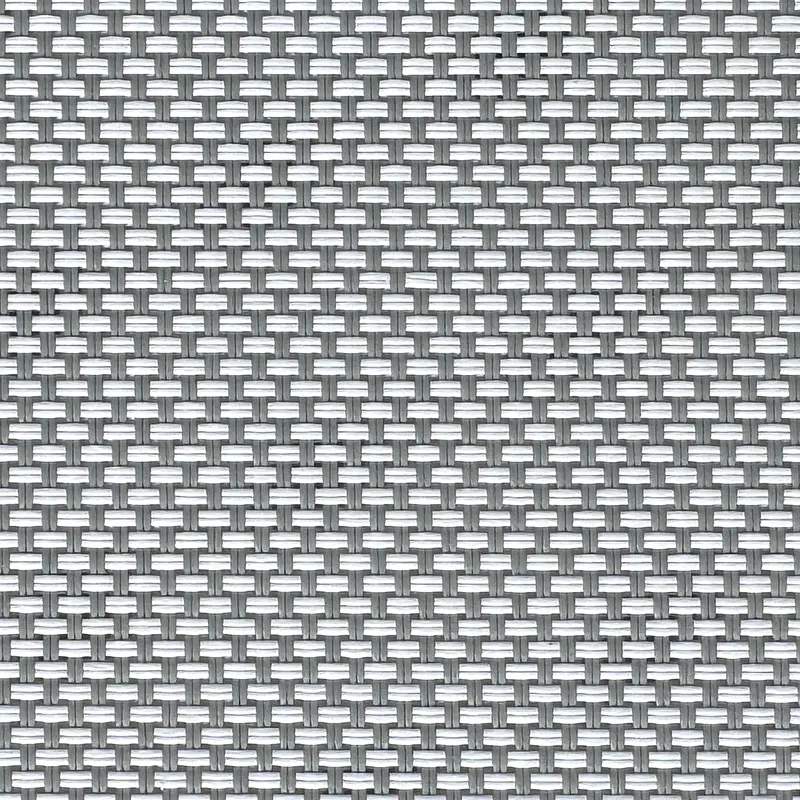
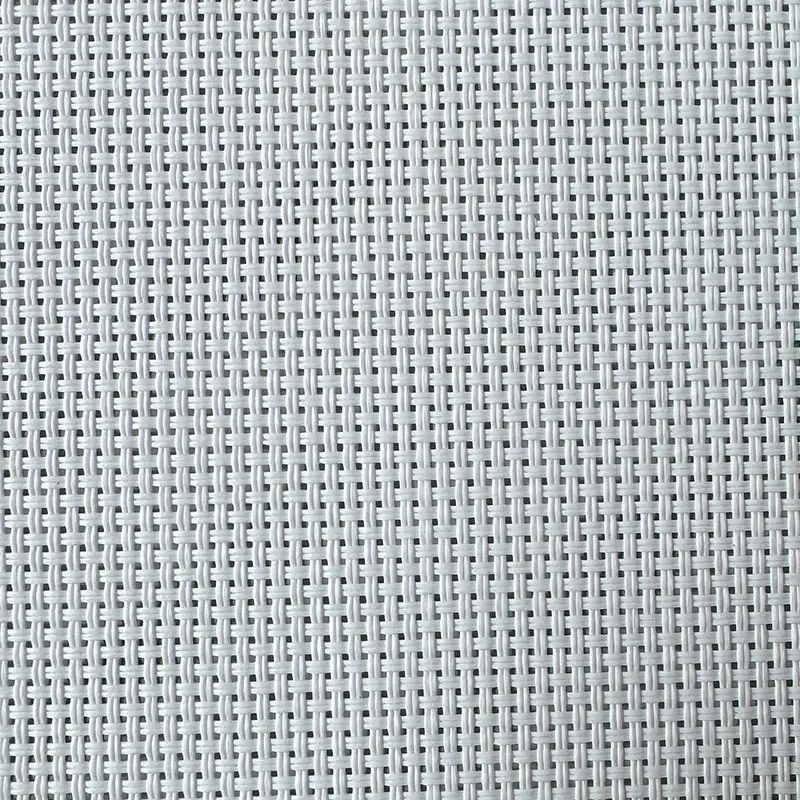
First, 0% openness fabric is produced using a woven structure, often combined with a specialized coating, which maintains the technical characteristics of sunscreen fabrics. Compared to traditional blackout materials that rely heavily on thick coating layers, woven 0% fabrics provide better dimensional stability, making them less prone to deformation, cracking, or peeling over time.
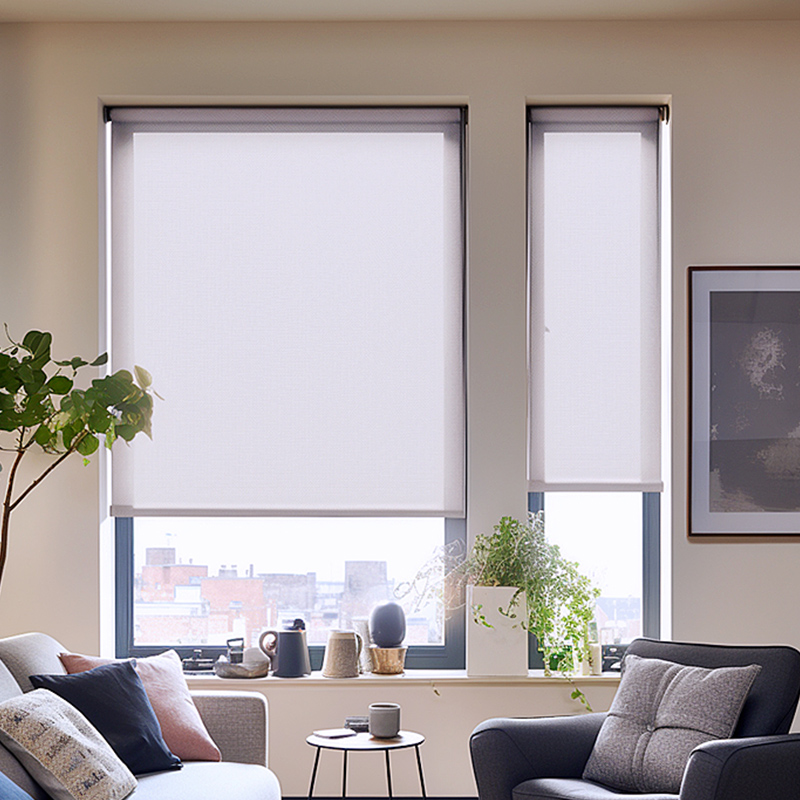
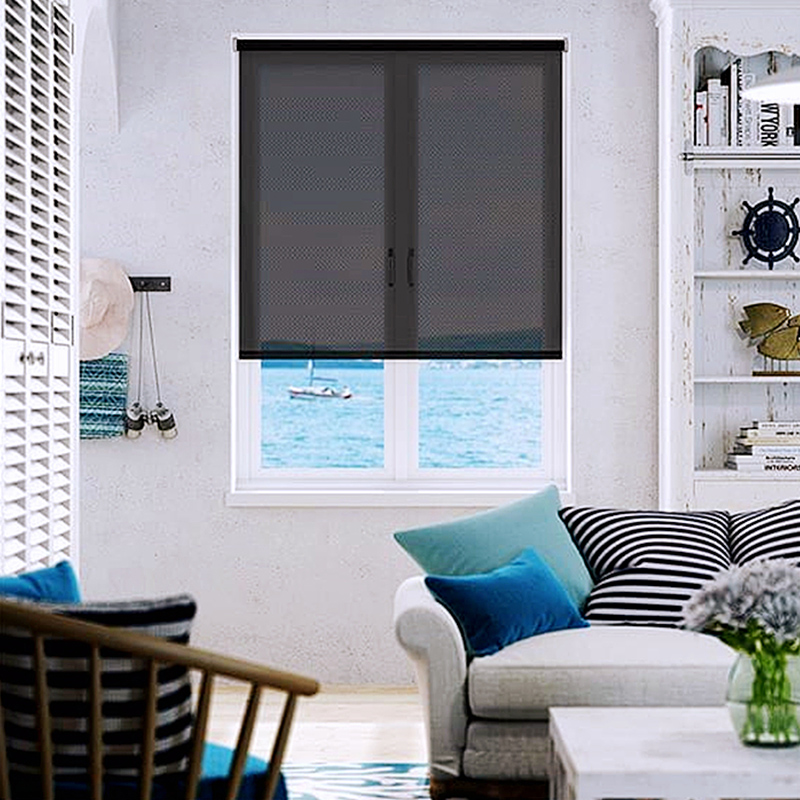
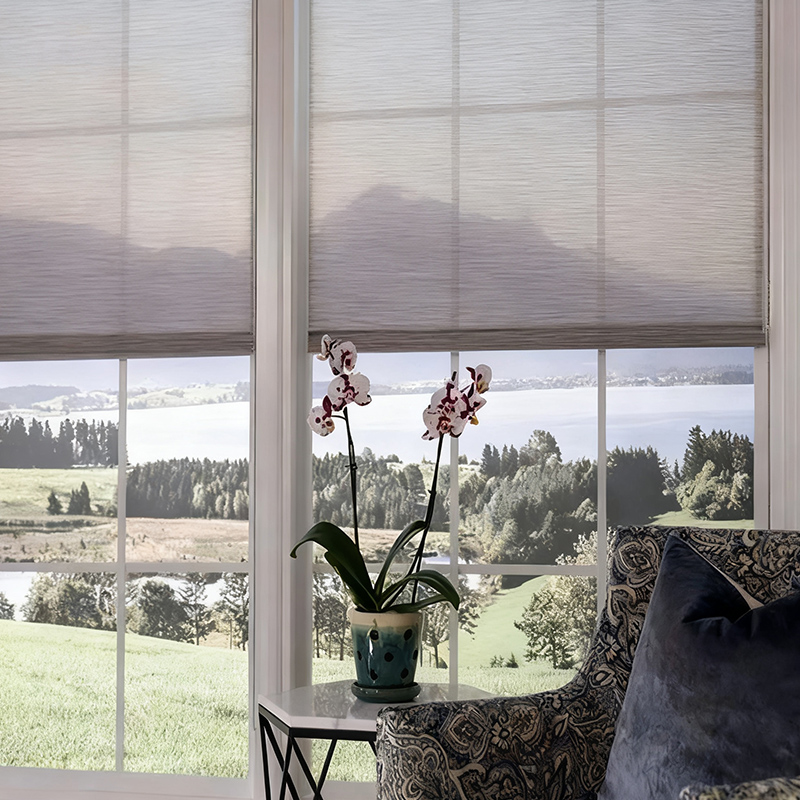
Second, from an aesthetic perspective, 0% openness sunscreen fabric delivers a more consistent and premium appearance. It retains the textile look and feel of standard 1%, 3%, or 5% openness fabrics, allowing designers and architects to maintain a unified style across different shading requirements within the same project. In contrast, traditional blackout fabrics often have a visibly coated backing (white or silver), which may appear less refined.
Additionally, 0% openness woven fabrics typically offer better durability and aging resistance. The balanced structure helps improve tensile strength and extend product lifespan, especially in large-scale or high-usage installations such as offices, hotels, and commercial buildings.
Finally, these fabrics are often engineered to meet international fire-retardant standards such as B1 or NFPA 701 more consistently, making them a reliable choice for projects with strict safety requirements.
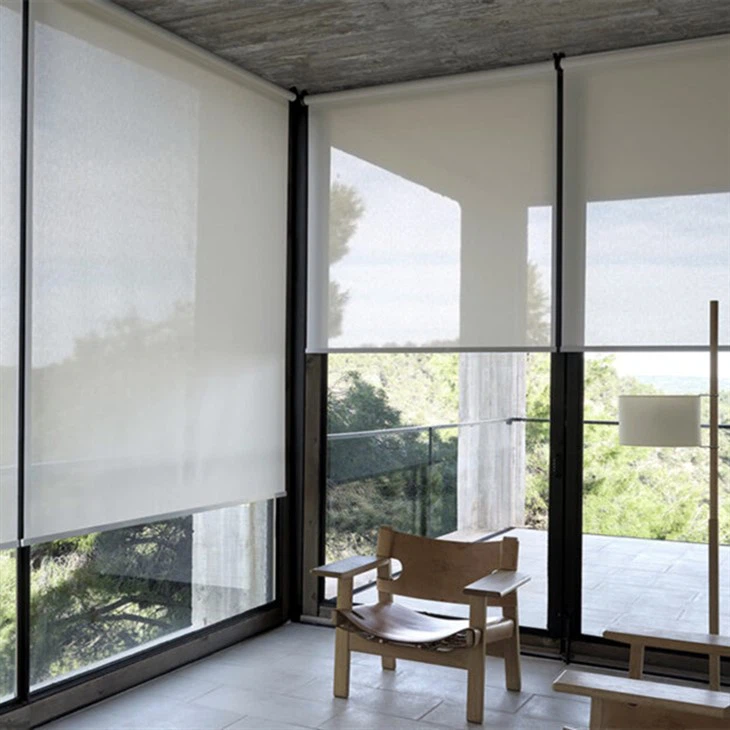
In summary, 0% openness woven sunscreen fabric combines full blackout performance with superior aesthetics, durability, and system compatibility, making it an ideal solution for modern architectural shading applications.