
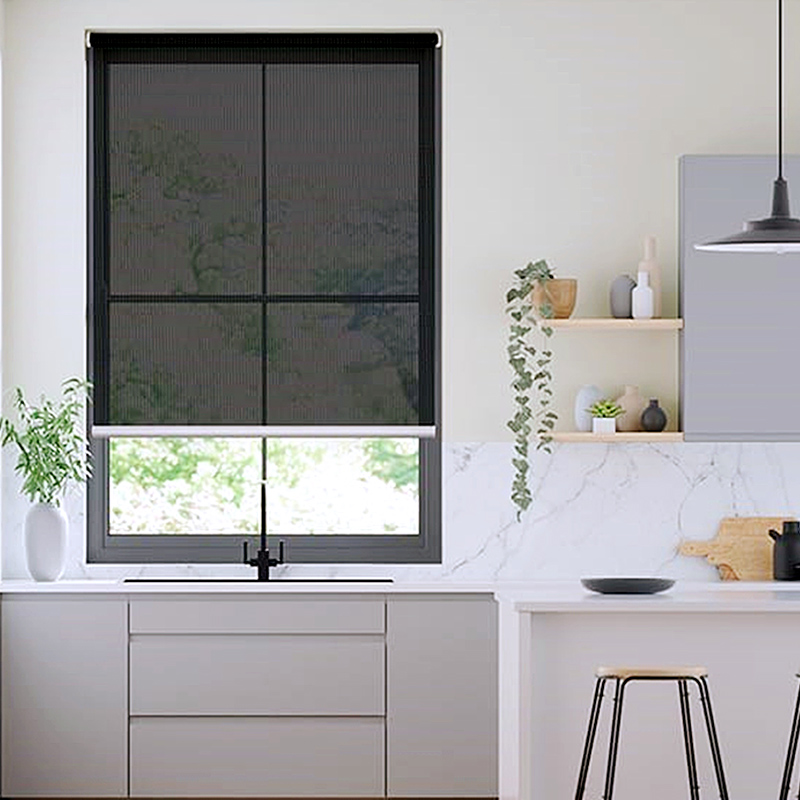



The Function of Sunshade Window Screen
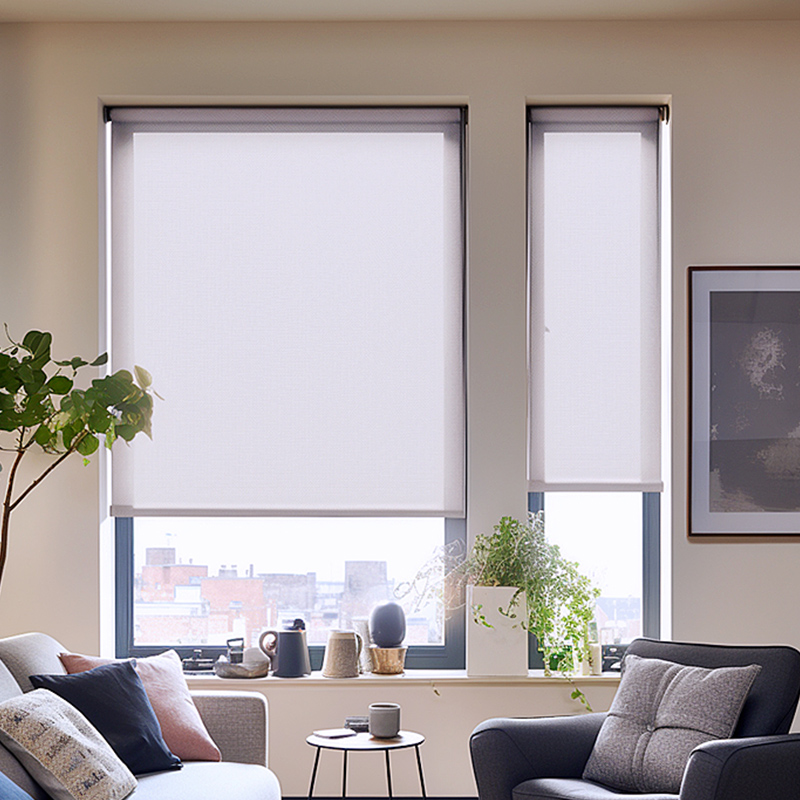
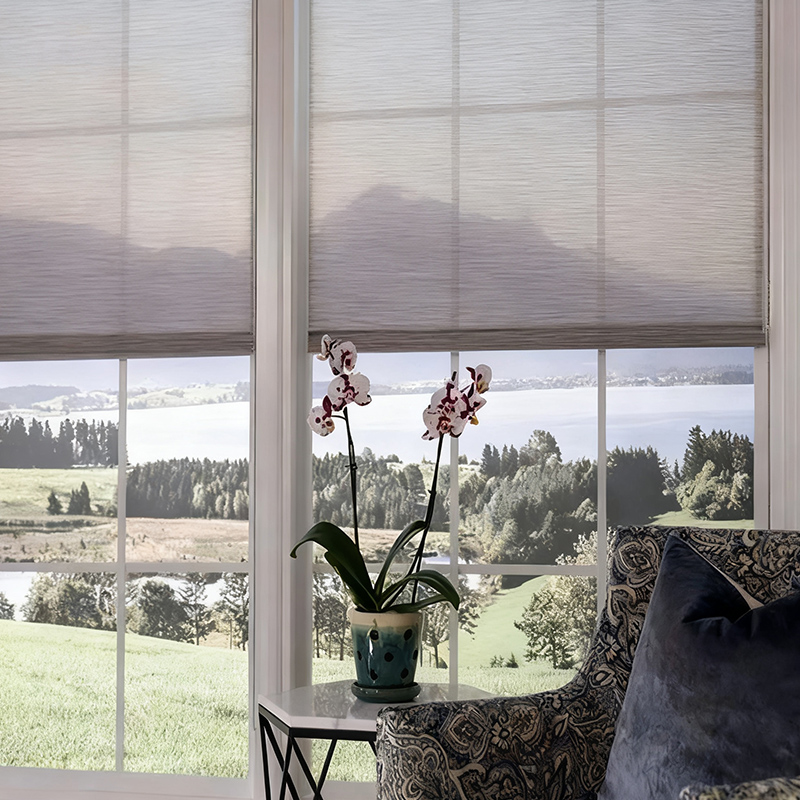
A sunshade window screen is more than a household accessory; it is an essential solution for balancing light, ventilation, and protection. Unlike standard mesh that primarily blocks insects, a sunshade screen is designed to filter sunlight, reduce glare, and lower indoor temperatures without sacrificing airflow. This dual functionality makes it particularly useful for modern living spaces where comfort and energy efficiency are equally important. Leading window screen manufacturers such as JWFG have refined the design and production of these materials to ensure durability and consistent performance.
Materials That Define Quality
When choosing a sunshade window screen, the material is the first indicator of quality. Fiberglass remains one of the most reliable options due to its strength, resistance to stretching, and ability to withstand environmental stress. A finely woven fiberglass mesh offers excellent UV filtering and does not easily deform over time. JWFG, with decades of experience in fiberglass production, applies advanced technology to ensure each screen meets high standards. This focus on material excellence allows their products to combine longevity with functionality.
Design Considerations for Performance
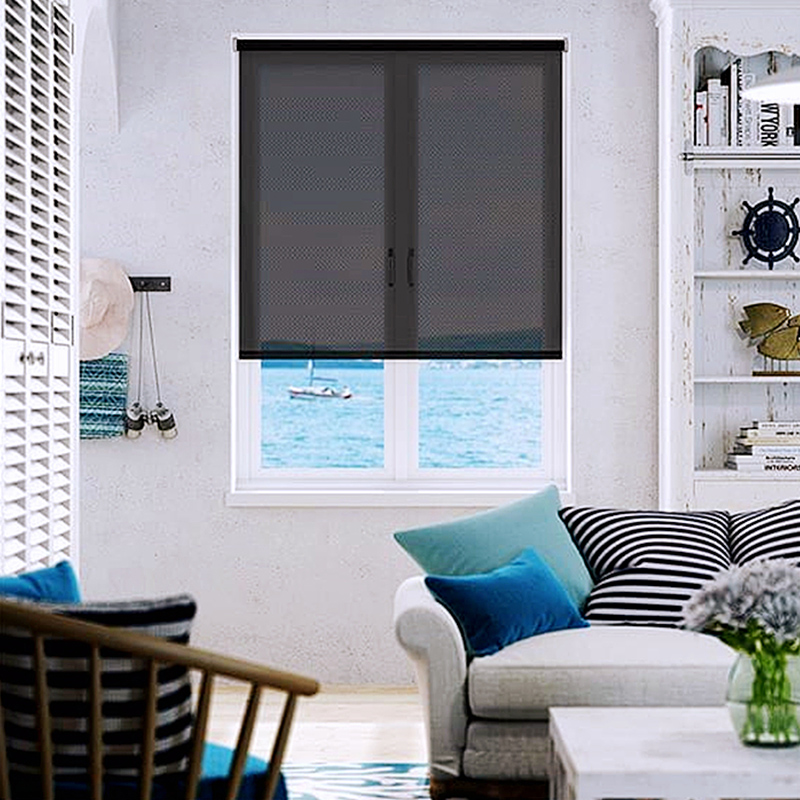
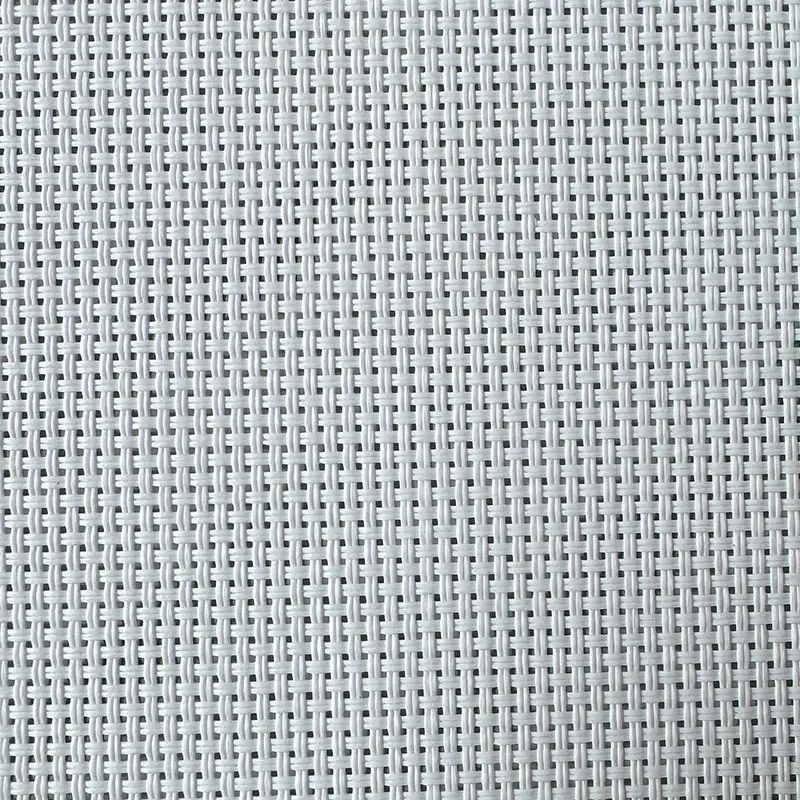
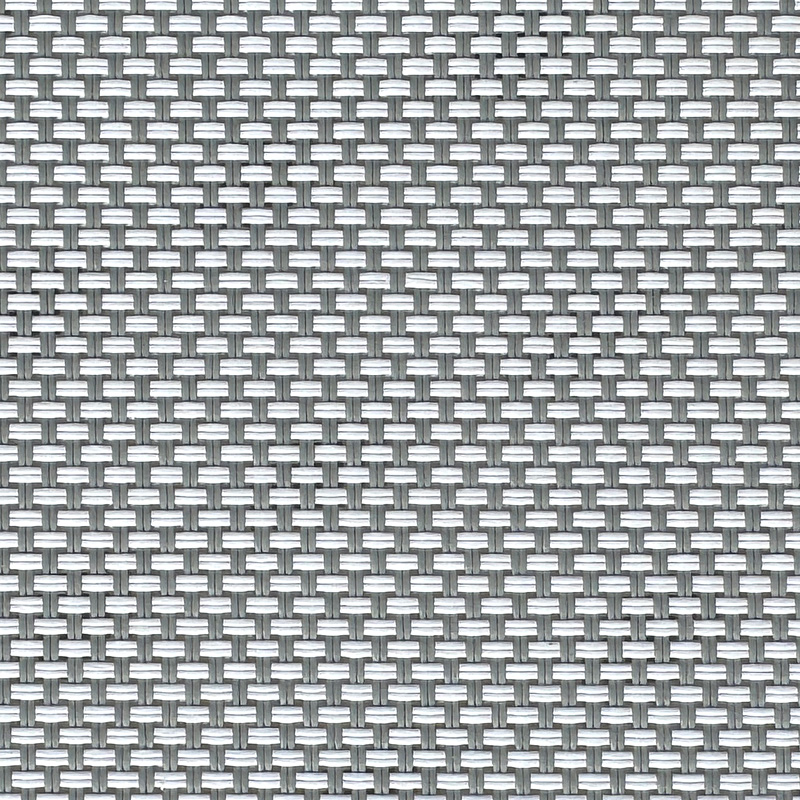
The effectiveness of a sunshade window screen depends not only on its material but also on its design. Mesh density, weave pattern, and color all play roles in how much light and heat are filtered. Darker tones often improve visibility while still offering sun protection, whereas lighter tones may better reflect heat. Professional window screen manufacturers optimize these factors to suit different applications, whether for residential windows, patios, or large-scale commercial buildings. JWFG, for example, leverages modern machinery to produce uniform mesh that balances shading efficiency and visual comfort.
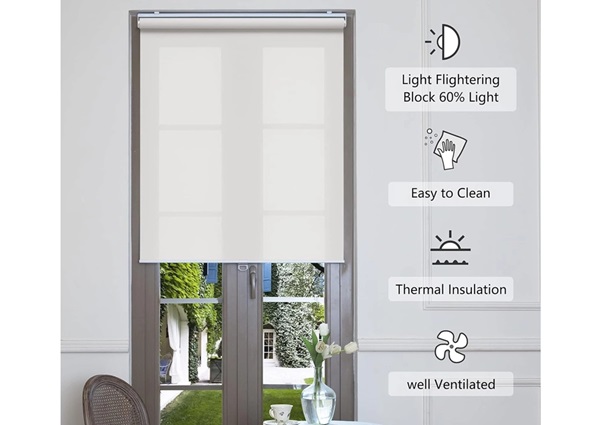
Not all screens serve the same purpose, and understanding the differences helps homeowners and businesses make better choices. Below is a comparison of standard insect screens versus sunshade window screens:
| Feature | Standard Insect Screen | Sunshade Window Screen |
| Primary Function | Keeps insects out | Blocks sunlight and UV rays, plus insects |
| Material | Nylon or basic fiberglas | High-quality fiberglass with UV resistance |
| Heat & Glare Reduction | Minimal | Significant |
| Energy Efficiency Impact | Low | High |
| Visibility & Comfort | Basic protection | Enhanced indoor comfort and clearer views |
This comparison highlights why sunshade designs are gaining popularity, particularly in climates where solar exposure is a concern.
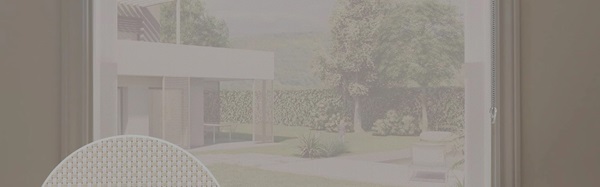
Practical Applications and Benefits
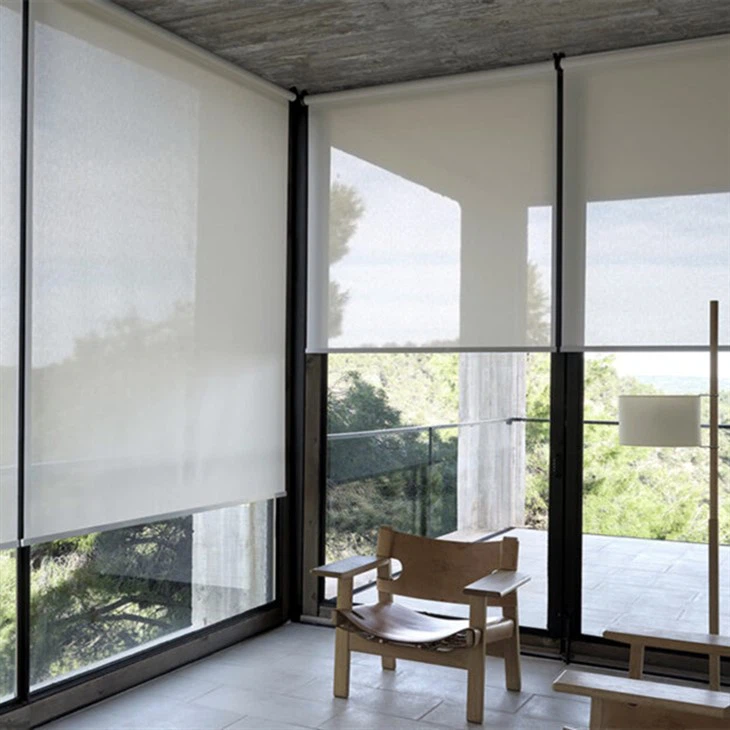
A sunshade window screen is not limited to residential windows. Its applications span to office spaces, patios, sunrooms, and even greenhouses where managing sunlight is essential. By reducing solar heat gain, these screens help lower energy consumption, making them both practical and eco-conscious. Additionally, their ability to protect furniture and flooring from UV damage adds to their value. With companies like JWFG, buyers gain access to products manufactured under strict quality standards, ensuring consistent performance across a variety of uses